Written By: Paula Sandlin
Content note: This post contains discussions of child loss. Please read with care if this topic is tender for you.
Is your happiness based on circumstances?
Last year, one of my dearest friends lost her two-year-old grandson, Stetson, due to a medical illness that came up suddenly. The grief over that loss was overwhelming. Getting past this kind of unexpected circumstance is unreal.
But Stetson’s passing reminded everyone who loved him about the question he always asked. “Are you happy?”
When we become believers in Christ, we know that happiness is often due to circumstances. I believe that little Stetson knew if someone is happy, they have biblical contentment because they are rooted in Christ.
He didn’t ask, “Are you happy with your money?” or “Are you happy with how you look?” He simply asked, “Are you happy?” And I am sure had he learned the word contentment, he would have said, “Are you content?”
As adults we tend to get caught up in believing that contentment is waiting for us somewhere in the future. We look for happiness in places that were never created to provide it. And the world tells us that happiness and contentment come from having more… of everything. There is always another mountain to climb or another problem to solve.
The apostle Paul reminded us in Philippians that true contentment is learned over time, whether we have plenty or very little. He wrote from a Roman prison, stating “I know what it is to be in need, and I know what it is to have plenty. I have learned the secret of being content in any and every situation, whether well fed or hungry, whether living in plenty or in want” (Philippians 4:12 NIV).
Today, people seek more of the things of this world and never achieve contentment. But notice Paul’s words, “I have learned.” Being content does not come naturally. Paul had experienced abundance and need, comfort and hardship. Yet he had learned that his contentment did not depend on circumstances.
Here are some thoughts to consider as we learn to be content like Paul:
Contentment requires a change in our outlook
We must learn to appreciate ordinary blessings
We must stop measuring our lives by other people’s experiences.
We must recognize that having Christ is greater than having everything the world offers.
If contentment depends on everything in our lives going according to plan, then we will never be content for very long. As we grow in faith, we realize that true contentment is not getting everything we want. It is trusting the One who knows what we need.
It is worth noting that contentment does not mean we have no ambitions, goals or desire to improve our circumstances. We can still strive to do better while remaining thankful for what we have today.
I've come to believe that the answer is not found simply in pursuing happiness. Happiness comes and goes. Contentment is deeper. But beyond both is the joy that comes from walking closely with the Lord. It flows from obedience to God and surrendering our way to Him.
Jesus said, “If you keep my commands, you will remain in my love, just as I have kept my Father’s commands and remain in his love. I have told you this so that my joy may be in you and that your joy may be complete.” (John 15:10-11 NIV)
Think of the progression: Happiness leads to contentment, which leads to obedience, which leads to abiding in Christ and that leads to fullness of joy. Just pure joy. No obligation. No drudgery. No earning of God’s love. Joy.
Jesus tells us, “Therefore, whoever takes the lowly position of this child is the greatest in the kingdom of heaven.” (Matthew 18:4 NIV) Stetson showed us all the path to pure joy by pointing us to Christ. He didn’t know that his “are you happy” influence would lead many to examine their hearts.
Only God can do something this miraculous and to use a little child makes it even more meaningful. Stetson’s short and precious life would prove to be a sign of hope that being happy is because of our savior.
Are we waiting for something more before we allow ourselves to be happy? Are we so busy pursuing what we don't have that we have forgotten to appreciate what we do have? Life is uncertain. Our days are not guaranteed, and possessions cannot give us lasting peace.
Maybe contentment begins when we stop concentrating on what is missing and start recognizing the blessings that are already ours. Our culture teaches children to constantly look for the next toy, the next activity, the next experience, or the next achievement. From an early age, they tend to believe that more is better.
Yet God's Word teaches a different lesson. Contentment begins when we recognize that every good gift comes from Him.
Are you happy? Have you learned to be content?
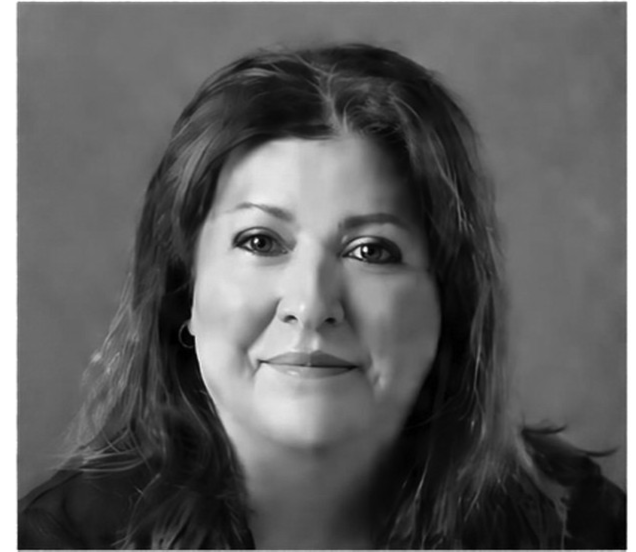
Paula Sandlin has spent more than 30 years helping people navigate financial decisions, but some of life's most important lessons have come from learning to trust God through every season. As an writer, grandmother, and follower of Christ, she writes about faith, contentment, stewardship, and the joy that comes from living with an eternal perspective. Paula lives in Alabama and is passionate about encouraging readers to find peace not in what they possess, but in God's presence, provision, and purpose. Through her writing, she helps others discover that true contentment grows when hearts are surrendered to Christ and grateful for His daily blessings.